

Written by Dr. Simon Khela MBChB MRCGP, GMC Registered Doctor
Spring and summer can be challenging for people living with hayfever. While many people successfully manage their symptoms with antihistamines and nasal sprays, others continue to struggle with persistent sneezing, itchy eyes, nasal congestion and disrupted sleep despite trying multiple treatments.
For people with severe seasonal allergies, hay fever injections are often discussed as a longer-lasting treatment option. However, they have also become one of the most debated hay fever treatments in the UK, particularly following the NHS decision to stop routinely offering Kenalog injections.
If you're researching whether hay fever injections work, whether they're safe, why the NHS no longer routinely recommends them, or what's actually still permitted, this guide explains everything you need to know.
In this article, we'll cover:
• What a hay fever injection is
• How Kenalog works
• Whether hay fever injections are effective
• Why the NHS stopped routinely offering Kenalog
• Potential risks and side effects
• Who may be suitable for treatment
• Alternative hay fever treatments
• The current legal and licensing status of Kenalog
A hay fever injection is a long-acting corticosteroid injection historically used to help control severe seasonal allergy symptoms when first-line treatments have not provided sufficient relief.
The injection most commonly associated with hay fever treatment in the UK is Kenalog(R), which contains the corticosteroid triamcinolone acetonide. Unlike antihistamine tablets or nasal sprays that need to be taken daily, a single injection was historically reported to provide symptom relief for several weeks and, for some patients, throughout much of the pollen season.
The medication works by reducing the body's immune response to pollen. Instead of simply treating symptoms, corticosteroids suppress the inflammation responsible for seasonal allergic rhinitis, which for some patients reduced sneezing, persistent runny nose, nasal congestion, itchy nose and itchy, watery eyes.
Because the medication works throughout the entire body rather than targeting one specific area, regulators have taken an increasingly restrictive position on its use for hay fever specifically, which is covered in detail below.
Kenalog is a prescription corticosteroid medication containing triamcinolone acetonide, a long-acting steroid that reduces inflammation throughout the body.
Although many people refer to Kenalog as "the hay fever injection," the medication is not licensed for hay fever. It is licensed for a variety of other inflammatory and allergic conditions, including certain joint disorders, skin conditions and autoimmune diseases where corticosteroid treatment is considered clinically appropriate.
When used off-label for hay fever, Kenalog suppresses the immune response responsible for allergy symptoms, which explains how Kenalog injections work and why it historically provided prolonged relief without daily medication.
As a prescription-only medicine, any legitimate corticosteroid treatment requires a full medical consultation, never a walk-in or online-only booking.
This systemic effect is one of the main reasons the NHS no longer routinely recommends Kenalog injections for hay fever, and why MHRA has taken enforcement action against clinics advertising it for this use.
Historically, hay fever injections were reported to be effective for some patients with severe seasonal allergies, particularly when antihistamines, steroid nasal sprays and other standard treatments had not provided adequate relief.
By suppressing the inflammatory response triggered by pollen, corticosteroid injections were reported to reduce sneezing, runny nose, blocked nose, itchy eyes, watery eyes, itchy throat and nasal irritation, with relief often lasting between three and eight weeks.
It is important to understand that no hay fever treatment is effective for everyone, and, as covered below, this specific injection is not currently licensed for this use in the UK. For this reason, it should not be viewed as a routine or guaranteed treatment option, and any patient asking about it should be directed toward licensed, evidence-based alternatives first.
The Medicines and Healthcare products Regulatory Agency (MHRA) has confirmed that Kenalog is not a licensed treatment for hayfever in the UK. Because it is a prescription-only medicine, promoting it to the public for an unlicensed indication is prohibited, a position MHRA has enforced against several private clinics. This mirrors action MHRA has taken on other unlicensed treatments marketed directly to the public, such as fake weight-loss injections.
Unlike steroid nasal sprays, which work mainly inside the nose, Kenalog circulates throughout the entire body. Although this historically provided long-lasting symptom relief, it also increases the possibility of steroid-related side effects affecting other organs and body systems.
Current clinical practice recommends non-drowsy antihistamines, steroid nasal sprays, antihistamine eye drops and allergen avoidance measures as the appropriate first-line, licensed treatments for hay fever.
This is more nuanced than a simple yes-or-no, and it's worth being precise here because the details matter.
Kenalog itself has not been withdrawn from the UK market for all its licensed uses. What has changed is specific to hay fever: MHRA's published position is that Kenalog is not a licensed treatment for hayfever, and advertising it to the public for that purpose is against UK medicines advertising law. MHRA and the Committees of Advertising Practice have already required several clinics to stop advertising Kenalog as a hay fever treatment.
If you see a clinic advertising a "hay fever injection" or "Kenalog jab," it's worth asking directly what product is being used, whether it is licensed for that indication, and asking to see the patient information leaflet before agreeing to treatment.
Because Kenalog is not licensed for hay fever, the honest answer is that this specific use falls outside the normal safety framework that licensing exists to provide. Like all corticosteroid treatments, it carries the risks below, and because it is unlicensed for this indication, there is no regulator-approved dosing or safety guidance specific to hay fever use.
Healthcare professionals generally recommend trying first-line, licensed treatments such as non-drowsy antihistamines, steroid nasal sprays, antihistamine eye drops, saline nasal sprays and allergen avoidance strategies.
The decision about any treatment should always be based on your medical history, current medications, existing health conditions, previous steroid use, severity of symptoms and response to other hay fever treatments, discussed with your GP or, where appropriate, a Specialist Consultation.
Like all corticosteroid medicines, hay fever injections can cause side effects. Because the medication works throughout the body, there is a greater potential for steroid-related side effects than with treatments that act only inside the nose.
Common Side Effects
Some people may experience mild, temporary side effects following the injection, including pain or tenderness at the injection site, redness or slight swelling, headache, facial flushing, increased appetite, difficulty sleeping, temporary mood changes, and mild dizziness. These side effects are usually short-lived and resolve without further treatment.
Less Common but More Serious Risks
Although uncommon, corticosteroid injections can also increase the risk of more significant complications, particularly in people with certain underlying health conditions. Potential risks include raised blood sugar levels, increased blood pressure, greater susceptibility to infections, delayed wound healing, changes in mood or mental wellbeing, temporary suppression of the body's natural steroid production, bone thinning (osteoporosis) with repeated steroid exposure, and rare tissue damage at the injection site.
The likelihood of these complications varies between individuals and depends on factors such as medical history, other medications and previous steroid use.
Your clinician would advise against any corticosteroid treatment if you:
• Have an active infection
• Have uncontrolled diabetes
• Have Asthma Testing or high blood pressure
• Have glaucoma
• Have certain immune system disorders
• Have experienced significant steroid-related side effects previously
• Are taking medications that may interact with corticosteroids
• Are pregnant or breastfeeding, see our guide to safer antihistamine options in pregnancy and breastfeeding
Patients with osteoporosis, stomach ulcers or certain hormonal conditions would also require additional assessment before any such treatment could be considered.
No. The NHS does not offer Kenalog injections for seasonal hay fever, in line with MHRA's position that it is not licensed for this use.
Instead, NHS treatment usually focuses on antihistamine tablets, steroid nasal sprays, antihistamine eye drops, self-care measures, and referral for allergy testing or specialist assessment where appropriate.
If symptoms remain severe despite these treatments, your GP can discuss additional licensed options or refer you to an allergy specialist for further assessment, read our comprehensive guide to allergy testing to see what's involved.
One of the main reasons people historically considered hay fever injections was their long-lasting effect. Unlike antihistamines or nasal sprays, which need to be taken regularly, a single corticosteroid injection was reported to provide relief for several weeks, with many patients describing improvement lasting between three and eight weeks.
Because this use is unlicensed, there is no regulator-verified data on how consistently this effect occurs, and no clinician can responsibly guarantee a specific duration of relief.
Choosing the right treatment depends on the severity of your symptoms, your medical history and how well previous treatments have worked
For most people, antihistamines and nasal sprays remain the preferred, licensed first-line treatments. Our complete guide to hay fever injections covers this comparison in more depth.
Most people achieve good symptom control using licensed treatments that carry fewer risks than systemic corticosteroid injections.
Antihistamines
Non-drowsy antihistamines are one of the most common treatments for hay fever, blocking the effects of histamine and available over the counter for daily use throughout the pollen season.
Steroid Nasal Sprays
These reduce inflammation inside the nose and are considered one of the most effective first-line treatments for persistent hay fever symptoms, with much less effect on the rest of the body than an injection.
Antihistamine Eye Drops
If itchy, red or watery eyes are your main symptoms, eye drops can provide fast, targeted relief.
Saline Nasal Sprays
These help wash pollen from the nasal passages, reducing irritation and congestion.
Allergy Immunotherapy
For people with severe, long-term hay fever, allergy immunotherapy aims to gradually reduce the immune system's sensitivity to specific allergens over time, under specialist supervision.
If you also experience eczema alongside your hay fever, our guide to the eczema and hay fever connection explains the shared triggers between the two conditions.
Alongside medication, practical lifestyle measures can significantly reduce pollen exposure and help control symptoms:
• Check the UK pollen calendar before spending time outdoors.
• Keep windows closed during periods of high pollen.
• Wear sunglasses to help protect your eyes from airborne pollen.
• Shower and change your clothes after returning home.
• Avoid drying washing outside during high pollen days.
• Vacuum regularly using a HEPA filter where possible.
• Keep car windows closed when driving.
• Consider using pollen filters in your car's ventilation system.
• Wash pets after long periods outdoors if they regularly bring pollen into the home.
Many people manage hay fever successfully with over-the-counter treatments. However, medical advice should be sought if:
• Your symptoms remain severe despite antihistamines and nasal sprays.
• Hay fever is affecting your sleep, work or daily activities.
• You experience symptoms for several months each year.
• You are unsure whether your symptoms are hay fever or a cold.
• You have seen a steroid injection advertised and want to understand whether it's an appropriate, licensed option for you.
If you're too unwell to travel, home visit appointments are also available.
Seek urgent medical attention if you experience difficulty breathing, swelling of the lips, tongue or throat, severe allergic reactions, chest pain, or signs of a serious infection following any treatment, read more about recognising anaphylaxis.
If you're considering treatment, you can visit one of our clinics across the UK. Explore the locations below to find your nearest option.
Hay fever injections remain one of the most searched and discussed treatments for severe seasonal allergies in the UK, but the regulatory picture has changed significantly. Kenalog is not licensed for hay fever, and MHRA has taken enforcement action against clinics advertising it for this purpose.
For most people, antihistamines, steroid nasal sprays and other first-line, licensed treatments provide effective symptom control. If your hay fever remains severe despite these measures, our GMC-registered GPs can talk through all appropriate, licensed treatment options based on your individual circumstances. You can also browse our full FAQs for more general questions about our services.
Do hay fever injections work?
Steroid injections like Kenalog were historically reported to relieve symptoms for some people with severe seasonal allergies. However, Kenalog is not licensed for hay fever in the UK, so this should not be viewed as a routine or recommended treatment.
Are hay fever injections safe?
Because Kenalog is not licensed for hay fever, there is no regulator-approved safety framework for this specific use. Licensed alternatives such as antihistamines and steroid nasal sprays carry a well-established, lower-risk safety profile.
Why did the NHS stop offering Kenalog injections?
MHRA's position is that Kenalog is not a licensed treatment for hay fever, and current clinical guidance favours antihistamines and steroid nasal sprays, which provide symptom control with fewer systemic risks and a proper licence for the indication.
Is Kenalog banned in the UK?
Kenalog remains licensed for other medical conditions, but MHRA has confirmed it is not licensed for hay fever, and has taken enforcement action against clinics that advertised it for that purpose.
Can I get a hay fever injection on the NHS?
No. NHS treatment for hay fever focuses on antihistamines, steroid nasal sprays and other licensed first-line therapies.
How long does a hay fever injection last?
Historical reports suggested relief lasting three to eight weeks, but because the use is unlicensed, there's no regulator-verified data confirming this consistently.
What are the side effects of a hay fever injection?
Possible side effects include pain at the injection site, headache, facial flushing, difficulty sleeping and temporary mood changes. Less commonly, steroid injections may increase blood sugar levels, blood pressure or susceptibility to infection.
Who should not have a hay fever injection?
People with uncontrolled diabetes, active infections, certain immune system disorders or previous significant reactions to corticosteroids would not be considered suitable for any such treatment.
What are the licensed alternatives to a hay fever injection?
Non-drowsy antihistamines, steroid nasal sprays, antihistamine eye drops, saline nasal rinses, allergy immunotherapy for selected patients, and lifestyle measures to reduce pollen exposure.
Same Day Online Booking
No Time Limits Appointments
Online Consultations Available
Latest Blog Posts
.avif)
What is HIV and its symptoms?
.avif)
High Cholesterol Warning Signs: What to Look for on Your Face & Body

What Is Bacterial Vaginosis (BV)? Signs, Causes and Treatment That Actually Works

The 14 Regulated Food Allergens Explained | UK Food Law Guide
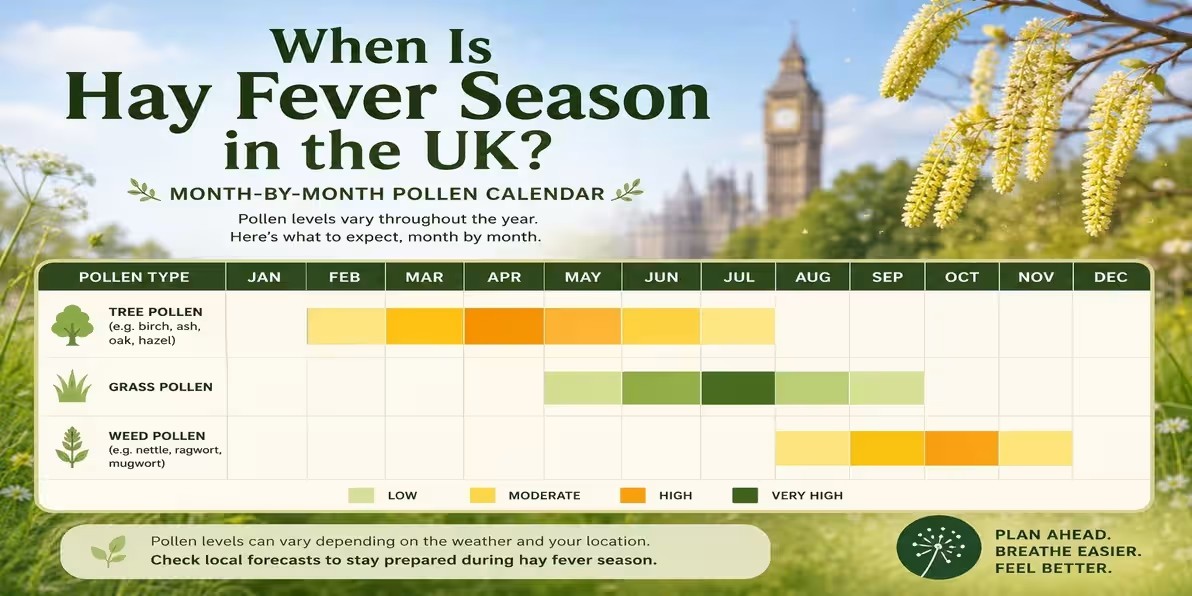
When Is Hayfever Season in the UK? Month-by-Month Pollen Calendar
Ready to take the next step?


