

Written by Dr. Simon Khela MBChB MRCGP, GMC Registered Doctor
Last reviewed: 05-08-2026
_________________________________________________________________________
Weight loss pens, commonly known as GLP-1 agonist injections like Saxenda or WeGovy, have become increasingly popular for helping individuals manage weight loss. These injections work by mimicking a hormone that targets areas of the brain responsible for regulating appetite. They are often prescribed alongside a healthy diet and exercise regimen. But how safe are these weight loss pens?
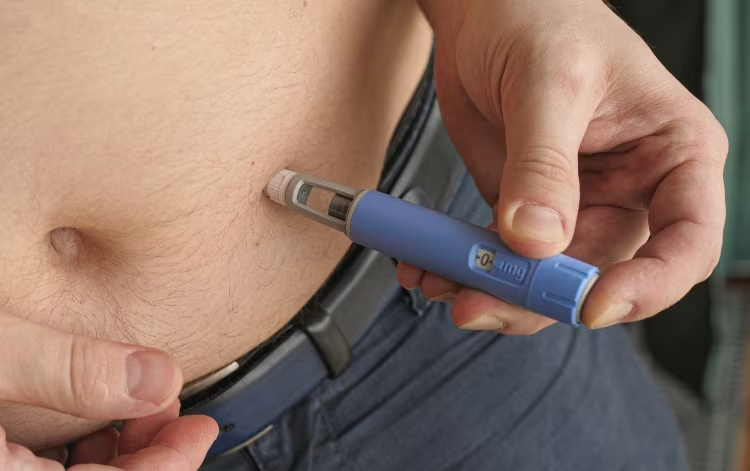
A weight loss pen is a pre-filled injection device used to deliver prescription medicine that can reduce appetite, increase feelings of fullness and support weight management.
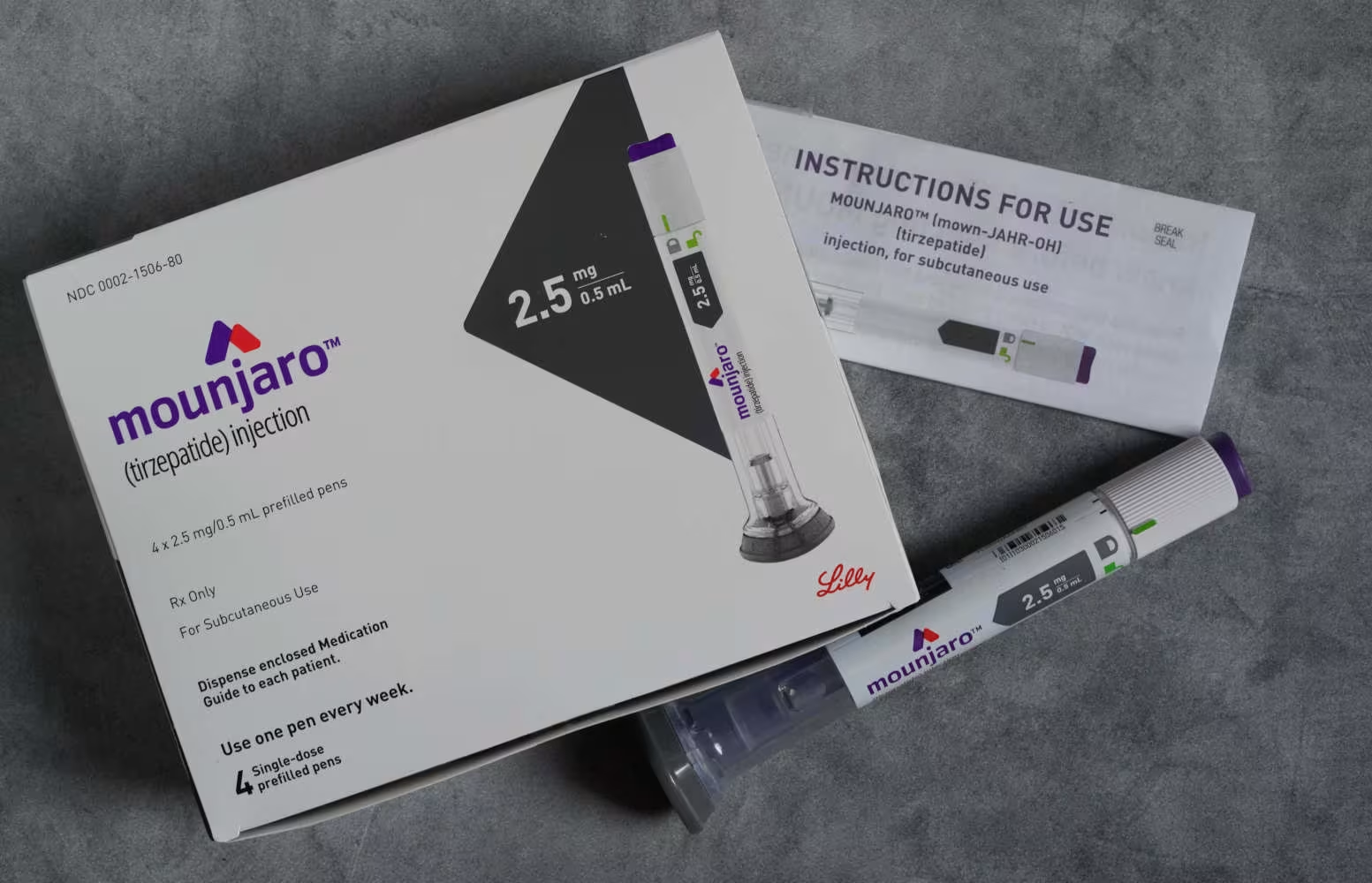
Medicines commonly supplied in pen form include semaglutide, sold for weight management as Wegovy; tirzepatide, sold as Mounjaro; and liraglutide, sold as Saxenda. An oral GLP-1 option, orforglipron, is also expected to become available in the UK, for those who'd prefer a tablet to an injection. These medicines are not interchangeable, and each has its own dosing schedule, suitability criteria and safety information.
These medicines are intended to be used with dietary, physical-activity and behavioural support. They should only be obtained after an appropriate clinical assessment.
In general, weight loss pens are considered safe when prescribed by a healthcare provider and used correctly. The medications are FDA-approved for specific weight loss purposes and have been studied extensively for safety and effectiveness. However, like any medication, they come with potential side effects, which can include:
These side effects tend to diminish over time as the body adjusts to the medication. Always discuss potential risks and benefits with your doctor to ensure it's the right option for you.
Digestive side effects are the most common. Nausea, diarrhoea, constipation, vomiting, indigestion and abdominal discomfort are particularly likely when treatment begins or the dose increases.
Patients should seek urgent medical advice for severe, persistent abdominal pain, especially when it spreads to the back or is accompanied by vomiting, because this may indicate pancreatitis. Repeated vomiting or diarrhoea can also cause dehydration and may affect kidney function.
Other clinically important risks can include gallbladder problems, low blood sugar when treatment is combined with insulin or certain diabetes medicines, and delayed stomach emptying. Patients should tell an anaesthetist or surgical team that they use a GLP-1 or related medicine before sedation or an operation.
Weight loss pens are not suitable for everyone. Individuals who should avoid these injections include:
It's essential to undergo a thorough health evaluation before starting any weight loss medication.
Fake or unregistered weight loss pens sold online pose serious health risks, as they are often not approved by regulatory authorities like the FDA or MHRA. These counterfeit products may contain harmful or unknown ingredients, incorrect dosages, or lack quality control, putting users at risk of dangerous side effects, infections, or ineffective treatment. Purchasing from unverified sources can also result in pens that are improperly stored or tampered with, further increasing health dangers. It's essential to only obtain weight loss injections through licensed healthcare providers to ensure the products are safe, legitimate, and tailored to your medical needs. Always avoid unregulated online sources, as the risks far outweigh any potential benefits.
A safe assessment should confirm identity and independently verify weight, height and BMI. It should also review medical history, current prescriptions, previous weight-loss treatment, eating-disorder risk, pregnancy status where relevant and any symptoms that may make treatment unsafe.
The consultation should allow genuine two-way communication. Patients should be able to ask questions, understand alternatives and receive a follow-up plan rather than being approved automatically from a form.
Where clinically appropriate, baseline checks may include blood pressure, diabetes screening, kidney and liver function or other targeted blood tests.
Weight loss pens are not a quick fix; they are designed to support gradual weight loss over time. Most people begin to notice changes in their appetite and weight within 4 to 8 weeks of starting treatment, but significant weight loss may take longer. Typically, individuals on these medications can expect to lose around 5-10% of their body weight over a period of 6 months to a year, depending on their commitment to lifestyle changes like diet and exercise.
It's important to note that the pens work best when combined with a healthy diet, regular physical activity, and a commitment to long-term weight management.
Weight loss injections offer several advantages for those struggling with obesity or overweight issues:
Weight loss pens can be a safe and effective tool for those struggling to lose weight, especially when combined with lifestyle changes like improved diet and increased physical activity. However, they are not suitable for everyone, and it's crucial to consult with a healthcare provider to determine if this treatment is right for you. With proper medical guidance and commitment, weight loss injections can help individuals achieve meaningful, long-term results in their weight loss journey.
Only obtain prescription weight-management medicines from a regulated pharmacy or healthcare provider after a consultation with a qualified prescriber.
Do not buy pens from social-media accounts, beauty salons, informal sellers or websites that provide no meaningful clinical assessment. Fake products may contain the wrong ingredient, an incorrect dose, contamination or no active medicine at all.
Patients should check that the pharmacy is registered with the General Pharmaceutical Council and that the prescriber is registered with the relevant professional regulator. Packaging that looks genuine does not prove that the contents are authentic.
Many patients notice reduced hunger or earlier fullness within the first few weeks, but the response varies. The starting dose is usually deliberately low and increased gradually to reduce side effects, so maximum treatment effect is not immediate.
Weight change depends on the medicine, dose, treatment duration, lifestyle support and individual biology. Clinical trials show meaningful average weight loss for semaglutide and tirzepatide, but an average is not a promise of what one person will achieve.
Progress should be reviewed over time. A clinician may reconsider treatment if side effects remain difficult, weight loss is insufficient after an appropriate period or the medicine is no longer clinically suitable.
Appetite can increase again after treatment stops, and some weight regain is common. This does not mean the medicine has failed; obesity is a long-term condition and the biological drivers of appetite may return when treatment is withdrawn.
A stopping plan should therefore include nutrition, physical activity, behavioural support and follow-up. Patients should not continue, stop or restart treatment without guidance, particularly after a long break when a lower restart dose may be needed.
Click here to learn more about our services, or to speak with a doctor.
A weight loss pen is a prescription injection that helps reduce appetite and supports weight loss alongside healthy lifestyle changes.
Yes, when prescribed by a qualified healthcare professional and used under medical supervision. They are not suitable for everyone.
Yes. Clinical studies show they can support significant weight loss when combined with a healthy diet and regular exercise.
Many people notice reduced appetite within a few weeks, while meaningful weight loss usually develops over several months.
Common side effects include nausea, vomiting, diarrhoea, constipation and stomach discomfort, particularly when starting treatment.
They may not be suitable for people who are pregnant, breastfeeding, have certain thyroid conditions, severe digestive disorders or a history of pancreatitis.
Both are prescription weight-loss injections, but they contain different active ingredients and have different dosing schedules.
Yes, but only from a regulated healthcare provider following a proper medical assessment.
Only obtain treatment through a registered pharmacy and qualified prescriber. Avoid buying from social media or unregulated websites.
Your appetite may increase again, and some weight regain can occur without ongoing lifestyle changes.
Not always. Your clinician will decide whether blood tests are needed based on your medical history and overall health.
No. They work best as part of a long-term weight management plan that includes healthy eating and regular physical activity.
Same Day Online Booking
No Time Limits Appointments
Online Consultations Available
Latest Blog Posts
Semaglutide Weight Loss Injections - What You Need To Know

WeGovy Weight Loss Injections: A Breakthrough in Weight Management

Weight Loss Pens: A Comprehensive Guide To WeGovy vs. Mounjaro

Weight Loss Pens: Government Issues Warning On Fakes Sold In The UK
Weight Loss Pens: Are They Safe? A Complete Guide
Stricter Weight-Loss Jab Regulations in the UK: What It Means for Patients & Pharmacies
Ready to take the next step?

