COPD and the Role of Spirometry Testing in Diagnosis

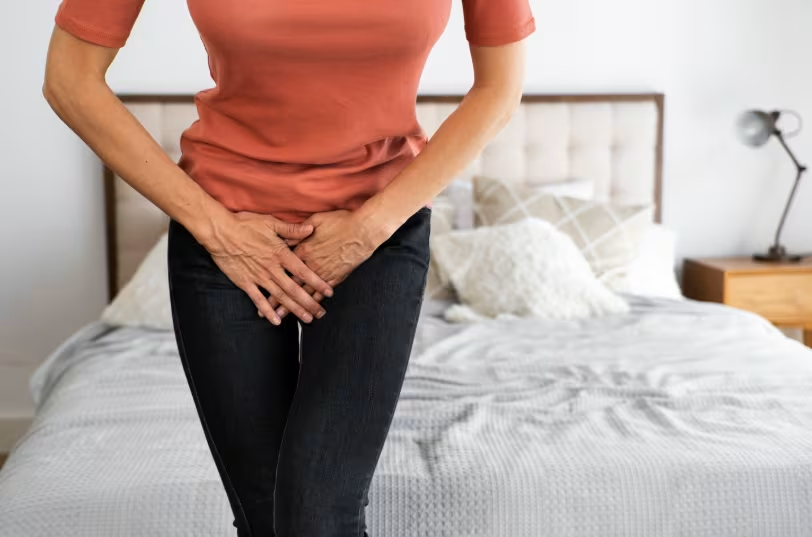
Women having COPD problems

Chronic Obstructive Pulmonary Disease (COPD) is a progressive lung condition that affects millions worldwide. Characterised by difficulty breathing, persistent cough, and wheezing, COPD can significantly impact a person's quality of life. Early diagnosis and management are critical in slowing the progression of this disease. Spirometry testing is a vital tool in identifying and diagnosing, helping patients take the first step toward better lung health.

What is COPD?

COPD is an umbrella term for lung conditions, including chronic bronchitis and emphysema. These conditions cause airflow obstruction, making it hard to breathe. Symptoms often include:

  • Persistent cough (with or without mucus)
  • Shortness of breath, especially during physical activity
  • Wheezing or tightness in the chest
  • Frequent respiratory infections
  • Fatigue

What Causes COPD?

The primary cause of COPD is long-term exposure to irritants that damage the lungs, such as:

  • Smoking: The most common cause.
  • Air pollution and occupational hazards: Prolonged exposure to dust, chemicals, and fumes.
  • Genetics: A rare genetic disorder called Alpha-1 Antitrypsin Deficiency

Why is Early Diagnosis Crucial?

COPD often develops gradually, with symptoms becoming more noticeable as the disease progresses. Many people mistake early signs for aging or general poor fitness. However, delaying diagnosis can lead to worsening lung function, reduced quality of life, and increased complications.

What is Spirometry Testing?

Spirometry is a simple, non-invasive test that measures lung function. It assesses how much air you can inhale, how much you can exhale, and how quickly you can exhale. These measurements help identify conditions like COPD, asthma, or other respiratory disorders.

How Does Spirometry Work?

  • You will be asked to breathe into a mouthpiece connected to a spirometer.
  • The device measures the volume and speed of air you breathe in and out.
  • The results, particularly your FEV1 (Forced Expiratory Volume in one second) and FVC (Forced Vital Capacity), are compared to normal ranges based on age, gender, and height.

How Spirometry Helps Diagnose COPD

Spirometry is the gold standard for diagnosing COPD. It provides objective data on lung function and identifies airflow obstruction, which is a hallmark of COPD. Early identification through spirometry allows healthcare providers to:

  • Confirm or rule out COPD
  • Assess the severity of the condition
  • Develop an effective treatment plan

Treatment Options for COPD

While there is no cure, early intervention can significantly improve symptoms and slow disease progression. Treatment may include:

  • Medication: Inhalers, bronchodilators, and corticosteroids to manage symptoms.
  • Pulmonary Rehabilitation: Exercise training and education to improve lung function.
  • Lifestyle Changes: Smoking cessation, dietary adjustments, and regular exercise.
  • Oxygen Therapy: For severe cases with low blood oxygen levels.

How Private Medical Clinic Can Help

At Private Medical Clinic, we offer same-day appointments for spirometry testing and expert consultations to diagnose and manage COPD. Our dedicated team ensures you receive a thorough evaluation and a personalised treatment plan to improve your lung health and overall well-being. If you're experiencing breathing difficulties or persistent symptoms, don't wait.

Book your spirometry test today and take the first step toward better respiratory health.

Same Day Online Booking

Book your consultation online with our easy online booking form.

No Time Limits Appointments

Confidential same-day consultations with no time limits. Discuss your health concerns with an experienced doctor in a private and relaxing space.

Online Consultations Available

Same-day telephone or video consultations provide instant access to doctors. Prescriptions, medical certificates, referral letters & sick notes are available.

Ready to take the next step?

Whether you're seeking advice or ready to book a consultation, we’re here to help. Explore our services or connect with a care professional today.

Latest Blog Posts

Woman having hayfever staying in bed sneezing in napkin runny nose
Health

Hay Fever Eyes (Allergic Conjunctivitis): Symptoms, Eye Drops, and How to Get Relief

For a lot of people suffering from allergies to hay, sneezing, congestion of the nose, and runny nose are symptoms they anticipate.
Non-allergic rhinitis woman blowing running nose
Health

Non-Allergic Rhinitis: Symptoms, Triggers, and How It Differs From Hay Fever

A nose that is runny or blocked, sneezing, and postnasal drip are typically caused by hay fever; however, these symptoms aren't necessarily caused by an allergy.
Sick caucasian pregnant female touches her head because of a strong headache
News

Mothers At Risk: Shocking Review Reveals NHS Maternity Services in Serious Trouble

A shocking early investigation into NHS maternity services has revealed that the situation is far worse than previously understood
Doctor making allergy test in laboratory
Health

Allergy Immunotherapy Explained: Desensitisation vs the Hay Fever Injection

Hay fever can have a major impact on your daily routine, especially when symptoms are acute despite antihistamines, nasal sprays, and allergen-avoiding measures.
Private Medical Clinic Birmingham
News

Overflowing Bins in Birmingham: The Hidden Public Health Crisis

As the Birmingham bin strike enters its fourth week, the mounting waste is more than an eyesore—it's a serious health concern.
Closeup of pregnant soon to be mother holding antihistamines pills
Health

Hay Fever in Pregnancy: Which Antihistamines Are Safe?

The pregnancy is a source of challenges, without adding irritation to the eyes, constantly sneezing, and a blocked nose on top of the other issues.