
.avif)
Written by Dr. Simon Khela MBChB MRCGP, GMC Registered Doctor
High cholesterol is often described as a "silent condition" because it rarely causes noticeable symptoms in its early stages. Many people only discover they have high cholesterol during a routine blood test or after developing a more serious health problem such as a heart attack or stroke.
However, in some cases, your body can provide visible clues that your cholesterol levels may be too high. Yellow cholesterol deposits around the eyes, a white or grey ring around the iris, and other cholesterol deposits beneath the skin may all be warning signs worth investigating. More commonly, symptoms only appear once high cholesterol has caused narrowing of the arteries, reducing blood flow to vital organs.
Although these signs can raise suspicion, a cholesterol blood test (lipid profile) is the only reliable way to diagnose high cholesterol.
In this guide, you'll learn:
• The 10 warning signs of high cholesterol
• Signs of high cholesterol on your face, eyes and body
• Whether high cholesterol causes symptoms
• How to tell if you have high cholesterol
• When you should get your cholesterol checked
• How high cholesterol is diagnosed and treated
• Ways to lower your cholesterol and reduce your risk of heart disease
High cholesterol itself usually causes no symptoms. However, some people develop visible cholesterol deposits or experience symptoms caused by reduced blood flow after cholesterol has built up inside their arteries.
Here are 10 warning signs that should never be ignored.
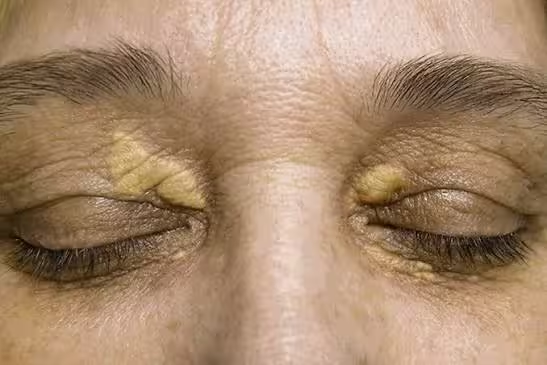
One of the most recognised visible signs of high cholesterol is xanthelasma. These are soft, yellowish patches that develop on or around the eyelids due to cholesterol collecting beneath the skin. They are painless and usually appear near the inner corners of the upper or lower eyelids.
Although not everyone with xanthelasma has high cholesterol, the condition is associated with an increased risk of abnormal cholesterol levels and cardiovascular disease. If you notice yellow patches around your eyes, it's sensible to arrange a cholesterol test.
Another visible sign is corneal arcus, sometimes called arcus senilis. This appears as a white, grey or bluish ring around the coloured part of the eye. In older adults it is often a normal age-related change. However, when it develops in younger adults, it may be associated with raised cholesterol levels or inherited conditions such as familial hypercholesterolaemia.
Corneal arcus does not usually affect vision, but it should prompt a discussion with your doctor about checking your cholesterol levels.
High cholesterol can gradually narrow the arteries that supply blood to the heart. If blood flow becomes restricted, you may develop angina, which typically causes discomfort, tightness or pain in the chest during physical activity or emotional stress.
Chest pain should never be ignored, especially if it occurs suddenly or is accompanied by shortness of breath, nausea or pain spreading to the arm, jaw or back, these can be signs of a heart attack, and you should seek urgent medical attention. Read more about the silent symptoms of a heart attack.
Pain in your calves, thighs or buttocks during walking that improves with rest may be a sign of peripheral arterial disease (PAD). This happens when cholesterol builds up inside the arteries supplying your legs, reducing blood flow to the muscles.
Some people also notice slower wound healing, reduced exercise tolerance or changes in skin colour in the affected leg.
Persistent cold feet or reduced circulation can sometimes occur when cholesterol-related plaque narrows the arteries supplying the lower limbs. Although cold feet have many possible causes, they may warrant further investigation if they occur alongside leg pain, numbness or other cardiovascular risk factors.
When cholesterol contributes to narrowing of the arteries supplying the brain, it can increase the risk of a stroke or transient ischaemic attack (TIA). Symptoms may include:
• Sudden weakness on one side of the body
• Facial drooping
• Slurred speech
• Difficulty understanding speech
• Sudden vision loss
• Loss of balance or coordination
These symptoms require immediate emergency medical attention.
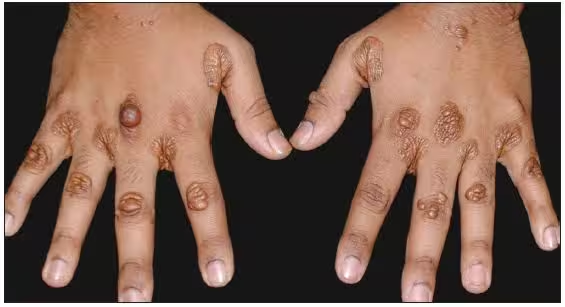
Some people develop cholesterol-rich lumps known as xanthomas beneath the skin. These deposits most commonly appear over tendons, joints, the hands, elbows, knees or Achilles tendon.
Xanthomas are more likely to occur in people with inherited cholesterol disorders, particularly familial hypercholesterolaemia, and should always be assessed by a healthcare professional.
In some men, erectile dysfunction may be an early sign of reduced blood flow caused by narrowing of the arteries. While erectile dysfunction has many potential causes, cardiovascular disease and high cholesterol are recognised contributing factors. Identifying and treating cardiovascular risk factors can improve both heart health and overall wellbeing.
High cholesterol itself does not usually cause tiredness. However, if cholesterol has significantly narrowed the arteries, your heart may need to work harder to supply oxygen-rich blood throughout the body. This can contribute to reduced exercise tolerance, breathlessness or fatigue during physical activity.
Persistent or unexplained fatigue should always be discussed with your doctor because it has many possible causes.
Ironically, the most common "warning sign" of high cholesterol is no warning sign at all. Most people feel completely well until a routine blood test reveals elevated cholesterol levels.
This is why regular cholesterol screening is recommended for people with risk factors such as:
• A family history of high cholesterol
• Diabetes
• Smoking
• Obesity
• Increasing age
• Previous cardiovascular disease
Important: Most people with high cholesterol experience no noticeable symptoms. A blood test (lipid profile) remains the only reliable way to diagnose high cholesterol before complications develop.
High cholesterol occurs when there is too much cholesterol circulating in your blood, particularly low-density lipoprotein (LDL) cholesterol, often called "bad cholesterol."
Although your body needs cholesterol to build healthy cells, produce hormones and make vitamin D, having too much LDL cholesterol can become harmful over time.
Excess LDL cholesterol gradually builds up inside the walls of your arteries, forming fatty deposits known as atherosclerotic plaques. As these plaques grow, they narrow the arteries and reduce blood flow to important organs including the heart, brain and legs. This process, known as atherosclerosis, significantly increases the risk of heart attack, stroke, peripheral arterial disease, coronary artery disease and other forms of cardiovascular disease.
Unlike many medical conditions, high cholesterol often develops silently over many years, which is why routine cholesterol screening plays such an important role in preventing serious complications.
Not all cholesterol is the same. A cholesterol blood test (also called a lipid profile) measures several different types of fat in your blood.
| Type | What It Does |
|---|---|
| LDL (Low-Density Lipoprotein) | Often called "bad cholesterol." High levels increase the risk of plaque building up inside your arteries. |
| HDL (High-Density Lipoprotein) | Known as "good cholesterol." It helps carry excess cholesterol back to the liver, where it can be removed from the body. |
| Triglycerides | A type of fat in the bloodstream. High triglyceride levels can further increase cardiovascular risk, particularly when combined with high LDL cholesterol. |
| Total Cholesterol | The combined amount of cholesterol circulating in your blood, including LDL and HDL cholesterol. |
Understanding these results helps your doctor assess your overall cardiovascular risk and decide whether lifestyle changes, medication or further investigations may be appropriate, our guide to decoding your blood test results explains what each figure means in more detail.
Yes. Most people with high cholesterol have absolutely no symptoms. This is why high cholesterol is often called a silent condition.
Rather than causing pain or obvious warning signs, cholesterol slowly accumulates inside the arteries over many years. As the arteries become narrower, blood flow gradually decreases, increasing the risk of heart attack, stroke and peripheral arterial disease.
Many people only discover they have high cholesterol after a routine health check, a cholesterol blood test, investigation of another medical condition, or a cardiovascular event such as a heart attack or stroke. Because high cholesterol often develops silently, healthcare professionals recommend cholesterol screening for people who have one or more cardiovascular risk factors, including a family history, diabetes, high blood pressure, smoking, being overweight, lack of regular physical activity, increasing age, chronic kidney disease or a history of cardiovascular disease.
Early diagnosis allows treatment to begin before permanent damage occurs, helping to significantly reduce the risk of future heart attacks and strokes.
Although high cholesterol is usually symptomless, some people develop visible cholesterol deposits on the face or around the eyes. These changes occur because cholesterol accumulates beneath the skin or within certain tissues, creating noticeable physical signs.
While these changes do not confirm that you have high cholesterol, they are recognised medical signs that should prompt a cholesterol blood test and a cardiovascular risk assessment. The most common facial signs include xanthelasma, corneal arcus, xanthomas (rare) and cholesterol deposits beneath the skin. Let's look at each of these in more detail.
Xanthelasma is one of the most recognisable physical signs of high cholesterol. It appears as soft, flat or slightly raised yellowish patches that develop on or around the eyelids, usually near the inner corner of the eye. These patches are made up of cholesterol deposits that collect beneath the skin.
Although they are painless and harmless themselves, they can sometimes indicate raised cholesterol levels or an increased risk of cardiovascular disease.
Xanthelasma typically has the following characteristics: soft yellow or cream-coloured patches, a flat or slightly raised appearance, usually developing near the upper or lower eyelids, often on both eyes, gradually enlarging over time, and not normally affecting vision.
Many people first notice xanthelasma while looking in the mirror or after someone else points it out. Some mistake these patches for milia, skin tags, age-related skin changes or cosmetic blemishes. Because several skin conditions can look similar, it is always worth having new yellow eyelid patches assessed by a healthcare professional.
Not always. Around half of people with xanthelasma have abnormal cholesterol levels, while others have normal cholesterol results. However, studies have shown that xanthelasma may be associated with an increased risk of cardiovascular disease, even when cholesterol levels are within the normal range.
For this reason, anyone who develops xanthelasma should consider having a cholesterol blood test, a blood pressure assessment, diabetes screening where appropriate, and a cardiovascular risk assessment. If the patches themselves are a cosmetic concern, they can also be discussed as part of a minor surgery consultation. Early identification of cardiovascular risk factors allows treatment to begin before serious complications develop.
Another recognised eye sign associated with high cholesterol is corneal arcus, also known as arcus senilis. It appears as a white, grey or bluish ring around the outer edge of the cornea. Unlike xanthelasma, the ring develops within the cornea rather than on the skin, and it does not usually cause pain, redness, blurred vision or loss of eyesight. Many people only notice it during an eye examination.
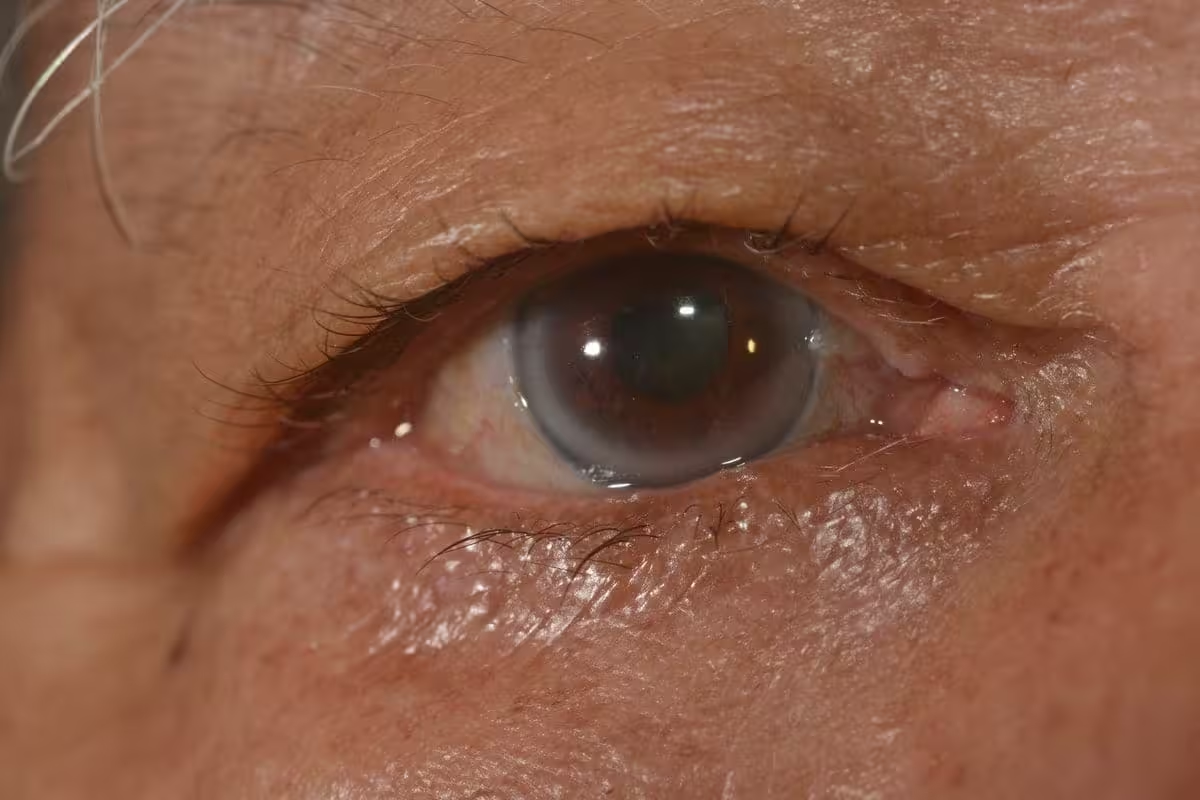
Corneal arcus becomes increasingly common with age and is often considered a normal finding in older adults. However, when it develops before the age of approximately 45-50 years, it may indicate raised LDL cholesterol, familial hypercholesterolaemia, or increased cardiovascular risk. If corneal arcus develops at a younger age, your doctor may recommend cholesterol testing and further cardiovascular assessment.
Although less common than xanthelasma, some people develop larger cholesterol deposits called xanthomas. Unlike xanthelasma, which mainly affects the eyelids, xanthomas can appear on many different parts of the body, including the hands, elbows, knees, Achilles tendon, feet, buttocks and tendons, appearing as firm yellow bumps, waxy nodules or raised plaques beneath the skin.
Xanthomas are more commonly associated with inherited cholesterol disorders such as familial hypercholesterolaemia or significantly elevated triglyceride levels. Because they may indicate severe lipid abnormalities, they should always be assessed by a healthcare professional.
Yes, but usually in indirect ways. High cholesterol itself rarely affects eyesight directly. Instead, visible eye changes occur because cholesterol accumulates within tissues around the eye or because cardiovascular disease affects blood flow. Recognised eye-related signs include xanthelasma, corneal arcus, cholesterol emboli affecting retinal blood vessels (rare), and lipaemia retinalis in severe hypertriglyceridaemia (very rare).
Most people with raised cholesterol do not develop eye symptoms. If you notice sudden vision loss, blurred vision or visual disturbances, seek urgent medical attention, as these symptoms may indicate a more serious medical condition rather than uncomplicated high cholesterol.
No. Not every yellow spot or bump around the eyes is caused by raised cholesterol. Several common skin conditions can resemble cholesterol deposits, including milia, sebaceous hyperplasia, syringomas, skin tags and benign cysts. Similarly, many people with high cholesterol never develop visible cholesterol deposits at all.
This is why appearance alone cannot diagnose high cholesterol. The only way to confirm whether your cholesterol is raised is with a blood test (lipid profile). If you notice new yellow patches, persistent eyelid lesions or unusual skin changes, it's advisable to seek a medical assessment rather than relying on self-diagnosis.
| Feature | Cholesterol Deposits (Xanthelasma/Xanthomas) | Milia | Skin Tags |
|---|---|---|---|
| Colour | Yellow or cream | White | Skin coloured |
| Texture | Soft or slightly raised | Firm | Soft |
| Pain | Usually painless | Painless | Painless |
| Common Location | Eyelids, tendons, joints | Face, eyelids | Neck, underarms, eyelids |
| Linked to High Cholesterol | Sometimes | No | No |
This comparison helps distinguish common benign skin conditions from lesions that may warrant further cardiovascular assessment.
You should consult a private GP if you notice new yellow patches around your eyelids, a white or grey ring around your iris at a younger age, firm yellow lumps over tendons or joints, persistent unexplained skin deposits, a family history of high cholesterol or early heart disease, or other cardiovascular risk factors such as diabetes, high blood pressure or smoking.
Although these signs do not always indicate high cholesterol, they should never be ignored. A simple lipid profile blood test can determine whether your cholesterol levels are within a healthy range and whether further treatment or lifestyle changes are needed.
High cholesterol can develop for several reasons, and it's often the result of a combination of lifestyle, genetics and underlying health conditions. Common causes include eating a diet high in saturated and trans fats, being overweight, not getting enough physical activity, smoking, drinking excessive alcohol, diabetes, chronic kidney disease, an underactive thyroid, and a family history of high cholesterol, including familial hypercholesterolaemia. Our guide to the causes and risks of high cholesterol covers each of these in more depth.
Some people inherit genes that make it difficult for the body to remove LDL cholesterol from the bloodstream. This inherited condition, familial hypercholesterolaemia, can lead to very high cholesterol levels from an early age and significantly increase the risk of heart disease.
As mentioned above, chronic kidney disease is one of the recognised causes of high cholesterol, and the relationship runs both ways: reduced kidney function can raise LDL and triglyceride levels, while long-standing high cholesterol can, over time, damage the small blood vessels that supply the kidneys. Because of this, a creatinine blood test. Which checks how well your kidneys are filtering waste from the blood, is often requested alongside a lipid profile, particularly if you have diabetes, high blood pressure or a family history of kidney problems.
Diabetes and high cholesterol are closely linked, and not by coincidence. Insulin resistance ,the same underlying process that drives type 2 diabetes,also tends to raise triglycerides and lower HDL ("good") cholesterol, a pattern sometimes called diabetic dyslipidaemia. This is one of the main reasons cholesterol and blood sugar are usually checked together. An HbA1c blood test, which reflects your average blood sugar over roughly the past two to three months, is the standard way to check for this alongside a lipid profile.
Women with polycystic ovary syndrome (PCOS) have a higher-than-average likelihood of an unfavourable cholesterol profile ,typically raised LDL and triglycerides alongside lower HDL, largely driven by the insulin resistance that underlies PCOS itself. This is one of several reasons cholesterol testing is often recommended as part of the wider health picture for women with PCOS, alongside diabetes monitoring, rather than focusing on periods and fertility alone.
Obstructive sleep apnoea has also been associated with an unfavourable cholesterol profile, thought to relate partly to repeated drops in oxygen levels during sleep and partly to shared risk factors such as excess weight. If you snore heavily, wake gasping, or feel excessively tired during the day, it's worth mentioning this alongside any cholesterol concerns , treating sleep apnoea can sometimes have a knock-on benefit for cardiovascular risk more broadly.
While mildly or moderately raised triglycerides mainly matter for long-term cardiovascular risk, very high levels,generally above around 10 mmol/L,carry an additional, more immediate risk: acute pancreatitis. Severely raised triglycerides are a recognised cause of this condition, alongside gallstones and heavy alcohol use. If your triglyceride result comes back very significantly elevated, your GP may want to discuss this specific risk with you rather than treating it purely as a routine cardiovascular finding.
Carrying excess weight, particularly around the abdomen, is one of the most consistent contributors to an unhealthy cholesterol profile, and even a modest, sustained reduction can improve your results. If you're unsure whether your current weight falls within a healthy range for your height, our guide on how much you should weigh for your height and age explains how BMI and other measures are used — and where they fall short.
Because high cholesterol usually causes no noticeable symptoms, it cannot be diagnosed based on appearance alone. The only reliable way to diagnose high cholesterol is through a cholesterol blood test, also known as a lipid profile, measuring total cholesterol, LDL, HDL and triglycerides.
Your healthcare provider will also consider factors such as your age, blood pressure, smoking status, family history and medical conditions to assess your overall cardiovascular risk.
Your cholesterol results are usually measured in millimoles per litre (mmol/L).
| Cholesterol Test | General Healthy Level* |
|---|---|
| Total Cholesterol | Below 5 mmol/L |
| LDL (Bad Cholesterol) | Below 3 mmol/L (or lower for high-risk individuals) |
| HDL (Good Cholesterol) | Above 1 mmol/L (men) and above 1.2 mmol/L (women) |
| Triglycerides | Below 1.7 mmol/L |
*Your target cholesterol levels may differ depending on your age, existing medical conditions and overall cardiovascular risk. Your healthcare provider can advise what is appropriate for you.
In many cases, high cholesterol can be significantly reduced and effectively managed. Lifestyle changes are often the first step, including eating a healthy diet, exercising regularly, losing excess weight, quitting smoking and reducing alcohol intake.
If lifestyle changes alone are not enough, cholesterol-lowering medication such as statins may be recommended to reduce the risk of heart attack and stroke.
Treatment depends on your cholesterol levels and your overall cardiovascular risk. Your healthcare provider may recommend healthy lifestyle changes, cholesterol-lowering medications, regular cholesterol monitoring, and managing related conditions such as diabetes or high blood pressure. The main goal of treatment is to lower LDL cholesterol and reduce the risk of cardiovascular disease.
Healthy lifestyle habits play an important role in reducing cholesterol and protecting your heart. You can help lower your cholesterol by eating more fruit, vegetables, whole grains and fibre-rich foods, choosing healthy fats such as olive oil, nuts and oily fish, reducing foods high in saturated and trans fats, exercising for at least 150 minutes each week, maintaining a healthy weight, stopping smoking and limiting alcohol intake.
Even modest improvements can help reduce your long-term risk of heart disease and stroke.
If you have any of the risk factors or warning signs covered in this guide, a same-day lipid profile blood test can confirm your cholesterol levels and give you a clear picture of your cardiovascular risk. Our GMC-registered GPs can talk through your results and next steps at the same appointment.
• Private Blood Tests Birmingham
• Private Blood Tests Newcastle
• Private Blood Tests Leicester
• Private Blood Tests Sutton Coldfield
• Private Blood Tests Bournemouth
See our current fees, or get in touch with any questions before booking. You can also browse our full FAQs, or book a general well man health check if you'd like broader cardiovascular screening alongside your lipid profile.
Yellow patches around your eyes, a white ring around your iris, or a family history of high cholesterol don't ignore the signs. Same-day private GP appointments available. Cholesterol check, cardiovascular assessment and treatment advice in one visit. No referral needed.
High cholesterol is often described as a silent condition because most people experience no symptoms until complications develop. Although visible signs such as xanthelasma, corneal arcus and cholesterol deposits beneath the skin can sometimes provide clues, they are not present in everyone and should not be relied upon for diagnosis.
If you notice any of the warning signs discussed in this guide, or if you have risk factors such as a family history of high cholesterol, diabetes or high blood pressure, arranging a cholesterol blood test is the best way to assess your cardiovascular health. Early diagnosis, healthy lifestyle changes and appropriate treatment can significantly reduce your risk of heart attack, stroke and other cardiovascular diseases.
What are the first signs of high cholesterol?
High cholesterol usually causes no symptoms in its early stages. Some people may develop visible signs such as xanthelasma (yellow eyelid deposits) or corneal arcus (a grey or white ring around the iris), while others only discover they have high cholesterol during a routine blood test.
Can you feel high cholesterol?
No. Most people cannot feel that their cholesterol is high because the condition is usually symptomless. Symptoms generally only occur if high cholesterol has contributed to narrowing of the arteries.
Does high cholesterol make you tired?
High cholesterol itself does not usually cause tiredness. However, if it has led to reduced blood flow or cardiovascular disease, some people may experience fatigue, reduced exercise tolerance or breathlessness.
Does high cholesterol cause itching?
Itchy skin is not a recognised symptom of high cholesterol. If you have persistent itching, speak to a healthcare professional to identify the underlying cause.
Can high cholesterol affect your eyes?
Yes. High cholesterol may be associated with visible eye changes such as xanthelasma or corneal arcus, although these do not occur in everyone and usually do not affect vision.
What do cholesterol spots look like?
Cholesterol spots often appear as soft yellow or cream-coloured patches around the eyelids. Larger cholesterol deposits, known as xanthomas, may appear as yellowish lumps beneath the skin over tendons or joints.
Are cholesterol spots always caused by high cholesterol?
No. Conditions such as milia, skin tags and other benign skin lesions can resemble cholesterol deposits. A healthcare professional can assess the cause and determine whether a cholesterol test is recommended.
How often should you have your cholesterol checked?
Adults are generally advised to have their cholesterol checked as part of routine cardiovascular risk assessments, particularly from the age of 40 or earlier if they have risk factors such as diabetes, high blood pressure or a family history of high cholesterol.
Can high cholesterol be prevented?
While inherited conditions cannot always be prevented, maintaining a healthy diet, exercising regularly, avoiding smoking, limiting alcohol intake and maintaining a healthy weight can all help reduce the risk of developing high cholesterol.
Same Day Online Booking
No Time Limits Appointments
Online Consultations Available
Latest Blog Posts

Private GP Services Explained: What Can You Expect During Your First Visit?

Is Private Healthcare Worth It? A Private GP’s Honest Take on Private vs NHS Care

Evening & Weekend Private GP Appointments in London: How to Book Same-Day Care Outside Normal Hours

ADHD Misdiagnosis: Unravelling the Confusion

How Much Does a Private GP Appointment Really Cost in the UK?

How Much Does a Private GP Cost?
Ready to take the next step?

