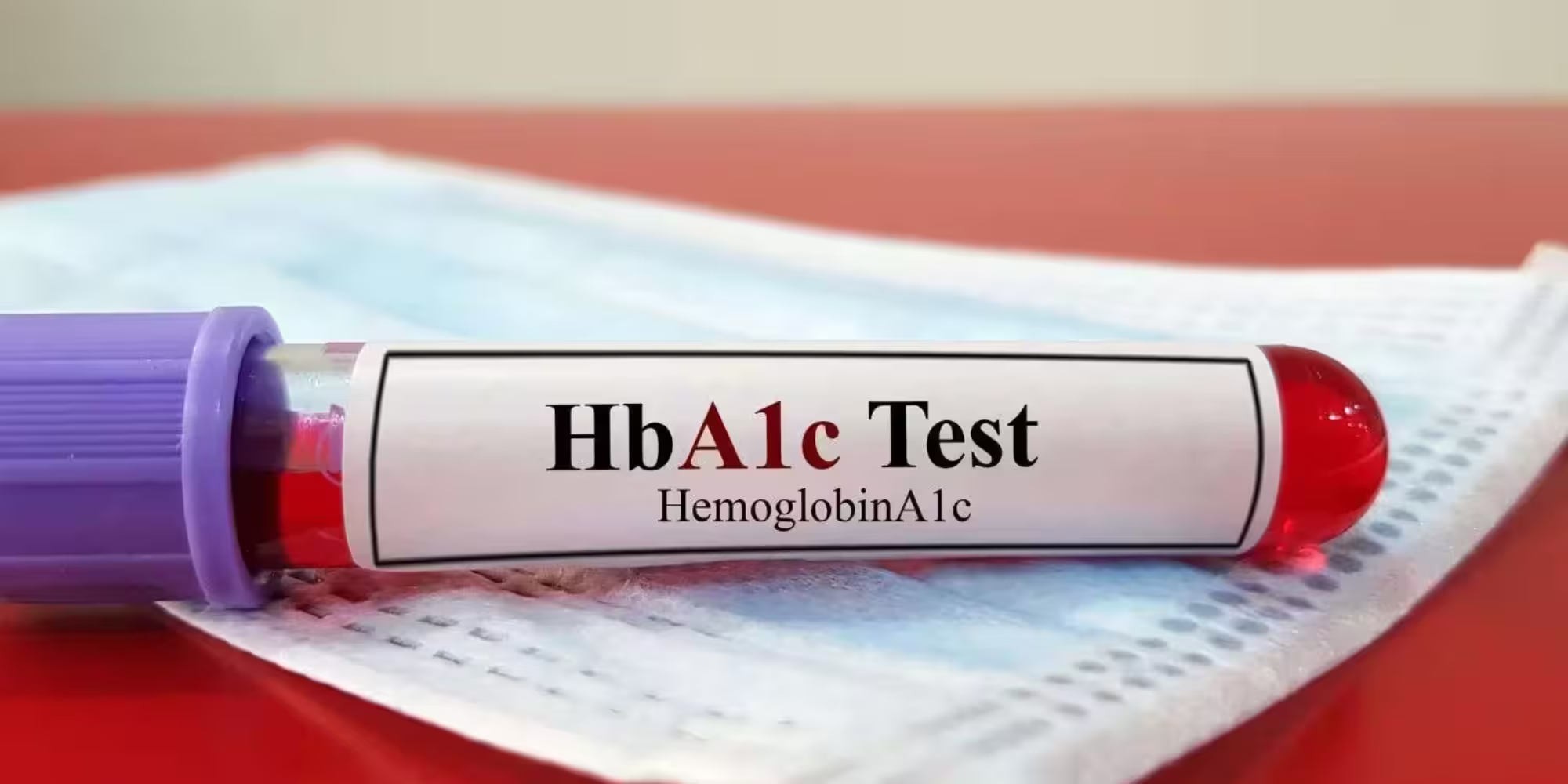
Decoding Your Blood Test: A Guide to Understanding Your Results

Doctor telling patient about blood test results

Blood tests are a fundamental part of any routine health check-up and are crucial for monitoring overall health and diagnosing diseases. Understanding your blood test results can empower you to manage your health proactively. This guide will help demystify your results, making understanding what they mean for your health easier.

Basics of Blood Tests

Blood tests are used to determine physiological and biochemical states, such as disease, mineral content, drug effectiveness, and organ function. There are several common types of blood tests:

  • Complete Blood Count (CBC): Measures the levels of various blood cells such as red blood cells, white blood cells, and platelets.
  • Lipid Profile: Assesses the amount of cholesterol and fats in the blood, which is important for understanding heart health.
  • Liver Function Tests: Evaluate the health of the liver by measuring levels of proteins, liver enzymes, and bilirubin.
  • Thyroid Function Tests: Check how well your thyroid is working and can help diagnose thyroid diseases.

Each test has a specific purpose and provides crucial information about different aspects of the patient's health.

Reading the Blood Test Report

Understanding how to read your blood test report can seem daunting at first, but it's simpler once you know what you're looking for:

  • Haemoglobin: The protein in red blood cells that carries oxygen. Normal ranges can vary, but generally, they should be between 13.8 to 17.2 grams per deciliter for men and 12.1 to 15.1 for women.
  • White Blood Cells (WBC): Important for fighting infections. Normal counts typically range from 4,500 to 11,000 cells per microliter.
  • Platelets: Help with blood clotting. Normal levels are usually between 150,000 to 450,000 platelets per microliter.
  • Cholesterol Levels: Includes LDL (bad) and HDL (good) cholesterol. Optimal levels depend on individual health conditions.

Common Abnormalities and Their Implications

Abnormal results might indicate an issue that requires further investigation or management:

  • High WBC Count: This could indicate an infection, inflammation, or other medical conditions.
  • Low Hemoglobin: Might suggest anemia.
  • High LDL Cholesterol: Associated with an increased risk of heart disease.

If your results show any abnormalities, it is important to consult with a healthcare provider to determine the cause and necessary treatment.

Tips for Discussing Results with Your Doctor

Prepare for your consultation by writing down any questions you have about your results. It's helpful to ask about any abnormalities and their implications, treatment options, and ways to improve your health through lifestyle changes. Regular check-ups and blood tests are vital for maintaining good health.

Understanding your blood test results is a powerful tool for managing your health. It enables you to take preventive measures and seek treatment when necessary. Remember, regular testing is crucial for early detection of potential health issues. If you're looking for comprehensive health screening and personalised consultation services, our clinic is here to help.

Same Day Online Booking

Book your consultation online with our easy online booking form.

No Time Limits Appointments

Confidential same-day consultations with no time limits. Discuss your health concerns with an experienced doctor in a private and relaxing space.

Online Consultations Available

Same-day telephone or video consultations provide instant access to doctors. Prescriptions, medical certificates, referral letters & sick notes are available.

Latest Blog Posts

Vitamin D Deficiency
Health

Vitamin D Deficiency: Symptoms, Causes, Treatment

Vitamin D deficiency means the level of vitamin D in your blood is too low for your body to function properly, particularly for maintaining healthy bones, muscles and immune function.
Patient having a same-day consultation
Private GP

How to See a Private GP Today: Fast, Flexible Options Explained

If you need to see a doctor today for something that isn't an emergency, you generally have more options than you might expect: a telephone consultation within a couple of hours, a video appointment if a doctor needs to see you, or a face-to-face slot if you can find one with capacity that day. None of these replace your NHS GP for ongoing care, and none of them replace 999 or A&E for anything genuinely serious.
Wegovy vs Mounjaro vs Ozempic
Weight Loss

Wegovy vs Mounjaro vs Ozempic: Compared by a GMC-Registered GP

If you're weighing up Wegovy, Mounjaro or Ozempic, the most useful first step isn't deciding which one sounds most effective from something you've read online. It's having an honest conversation
High LDL Cholesterol Causes
Blood Test

What Causes High LDL Cholesterol?

High LDL cholesterol is usually caused by a combination of factors rather than a single thing.
Access a Private GP for Your Family
Private GP

How to Access a Private GP for Your Family to Get Fast Consultant Referrals and Diagnostic Tests

A father recently described his situation to me like this: his teenage daughter had ongoing joint pain, her NHS GP had referred her to paediatric rheumatology, and the family had been told the wait for a first appointment could run into several months.

Ready to take the next step?

Whether you're seeking advice or ready to book a consultation, we’re here to help. Explore our services or connect with a care professional today.