


Menopause is a natural part of life. The NHS describes it as the time when your periods change and eventually stop due to lower hormone levels. It usually affects women between 45 and 55, but it can happen earlier, and it affects anyone who has periods.
You may have heard about "bio-identical" hormones for menopause symptoms. The term is used in different ways, which can be confusing. This guide explains what it means, what UK guidance says, and how to choose safely with your doctor.
Everyone's experience is different. Some people's symptoms have a big impact on daily life, work and relationships, while others hardly have any. Common symptoms include changes to your periods, hot flushes and night sweats, sleep problems, mood changes and "brain fog", vaginal dryness, more urinary tract infections (UTIs), reduced sex drive, muscle aches and joint pains, and weakening bones.
"Bio-identical" hormones are copies of the hormones your own body makes, such as estradiol (a type of oestrogen) and progesterone. The British Menopause Society (BMS) notes that the word is often used as a marketing term. To avoid confusion, menopause specialists use two different terms.
Body-identical HRT (regulated). These are licensed medicines made by pharmaceutical companies and authorised by the UK regulator, the MHRA. Examples include estradiol (oestrogen) given through the skin as a patch, gel or spray, and micronised progesterone capsules, which the NHS describes as "identical to the hormone your body produces". They are prescription-only medicines that a GP can prescribe.
Compounded "bioidentical" hormones (cBHRT). These are made up by specialist pharmacies, often as creams, lozenges or vaginal preparations, and are sometimes sold online. The BMS says they do not follow the same MHRA approval process as licensed medicines and have not been tested in controlled clinical trials for safety or effectiveness.
If you're interested in bio-identical hormones, the regulated, body-identical options are prescribed by a doctor who can review you regularly.
HRT replaces the hormones your body makes less of during menopause, mainly oestrogen and progestogen. If you still have a womb, you'll need both (combined HRT) to protect the womb lining. If you've had a hysterectomy, you can usually take oestrogen on its own.
Licensed HRT comes in several forms:
The right type depends on whether you still have periods, whether you've had a hysterectomy, your health and your preferences. It can take time to find what suits you.
The NHS says the main benefit of HRT is that it's effective at relieving most menopause symptoms, such as hot flushes, night sweats, sleep problems, anxiety and low mood caused by menopause, and vaginal dryness. It also helps to prevent osteoporosis (thinning of the bones). If you can't or prefer not to take HRT, other options include menopause-specific cognitive behavioural therapy (CBT) and some non-hormonal medicines.
The NHS says that if you're under 60, have menopause symptoms and are not at high risk of breast cancer or blood clots, the benefits of HRT are likely to outweigh the risks. The risks depend on the type of HRT, how long you take it and your own health.
NICE says there isn't yet enough evidence to know whether the risk is different with micronised progesterone than with other progestogens. Your doctor can talk you through the figures for your situation. If you take HRT, it's especially important to go to all your breast screening appointments.
HRT tablets can increase the risk of blood clots and slightly increase the risk of stroke, although the NHS says these risks are still very low. HRT patches, gel and spray do not increase the risk of blood clots or stroke. If you're at higher risk of blood clots, for example if your BMI is over 30, your doctor will usually suggest patches, gel or spray rather than tablets.
NICE says the risk of coronary heart disease, and of death from cardiovascular disease, does not increase with combined or oestrogen-only HRT. But HRT is for treating menopause symptoms, not for preventing illness, and NICE advises that it should not be offered to prevent cardiovascular disease.
Common side effects include breast tenderness, headaches, feeling sick, mood changes and irregular bleeding or spotting. They're usually mild and often settle within 3 months. If not, your doctor may change the dose, type or way you take HRT.
Speak to a GP if:
If you'd like to talk through your symptoms and treatment options, you can book a menopause consultation or a private GP appointment with one of our doctors. They'll go through the benefits and risks that apply to you, in line with NICE guidance. You can call 020 8050 0379 or book online.
Related reading: menopause being added to routine NHS health checks.
Same Day Online Booking
No Time Limits Appointments
Online Consultations Available
Latest Blog Posts

Why More UK Employers Are Offering On-Site Health Checks

Is Private Healthcare Worth It? A Private GP’s Honest Take on Private vs NHS Care

When Should You Actually Worry About a Headache? A Certified GP Explains
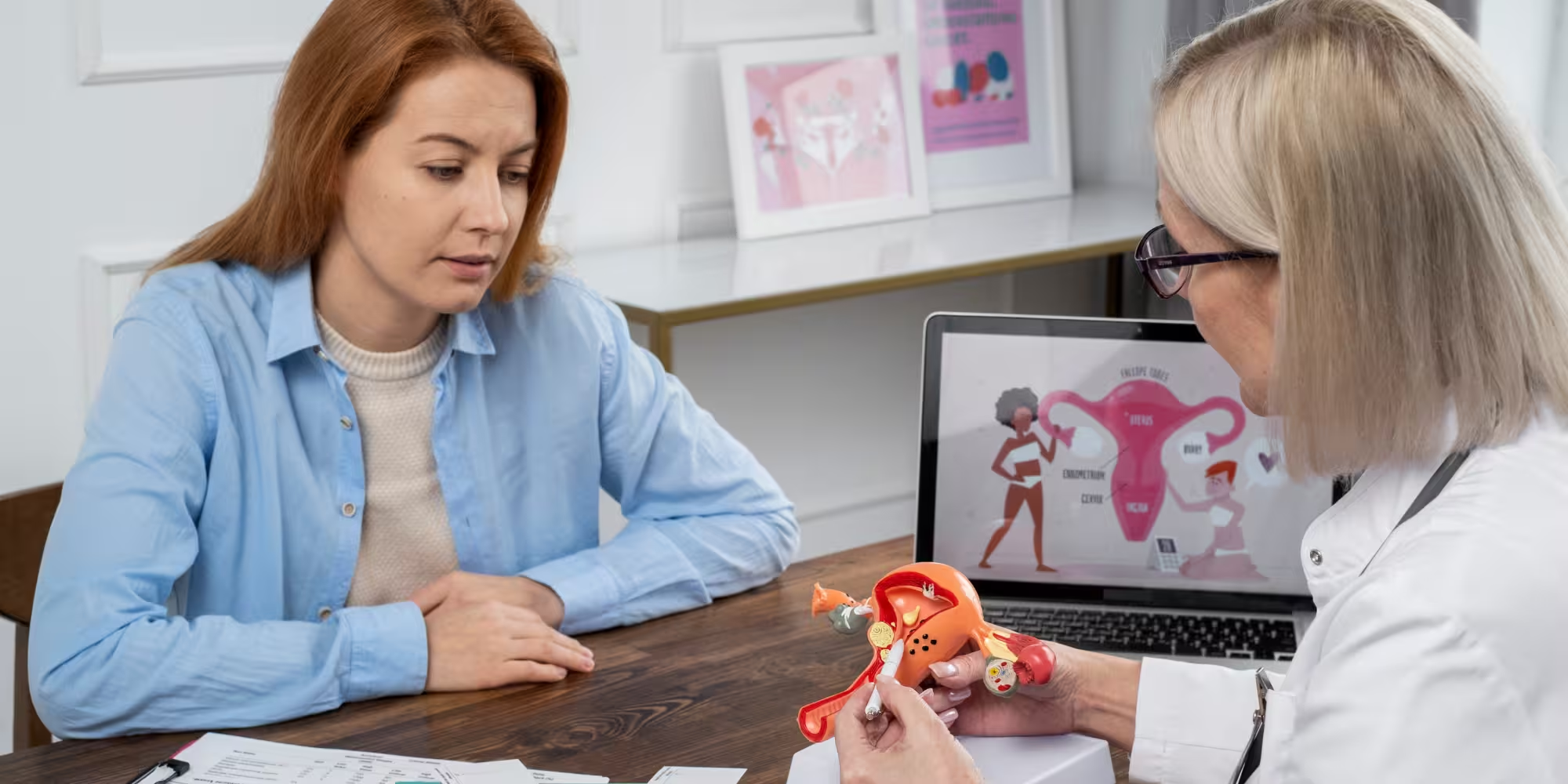
Private Cervical Smear Tests: Cost, Process and How Often You Need One
Earwax Removal: Ear Syringing vs Microsuction, Which Is Better?

Constantly Getting Colds? Here's What I Tell My Patients
Ready to take the next step?

