
Written by Dr. Simon Khela MBChB MRCGP, GMC Registered Doctor
_________________________________________________________________________
Breathing is something most of us take for granted—until it becomes difficult. If you’ve been experiencing a persistent cough, wheezing, or breathlessness, your GP may recommend a spirometry test. This simple yet powerful tool helps doctors measure how well your lungs are working and spot any early signs of conditions like asthma, COPD, or other lung diseases.
In this blog, we’ll explore what a spirometry test is, how it works, what the results mean, and practical things like how much it costs and how long it takes.
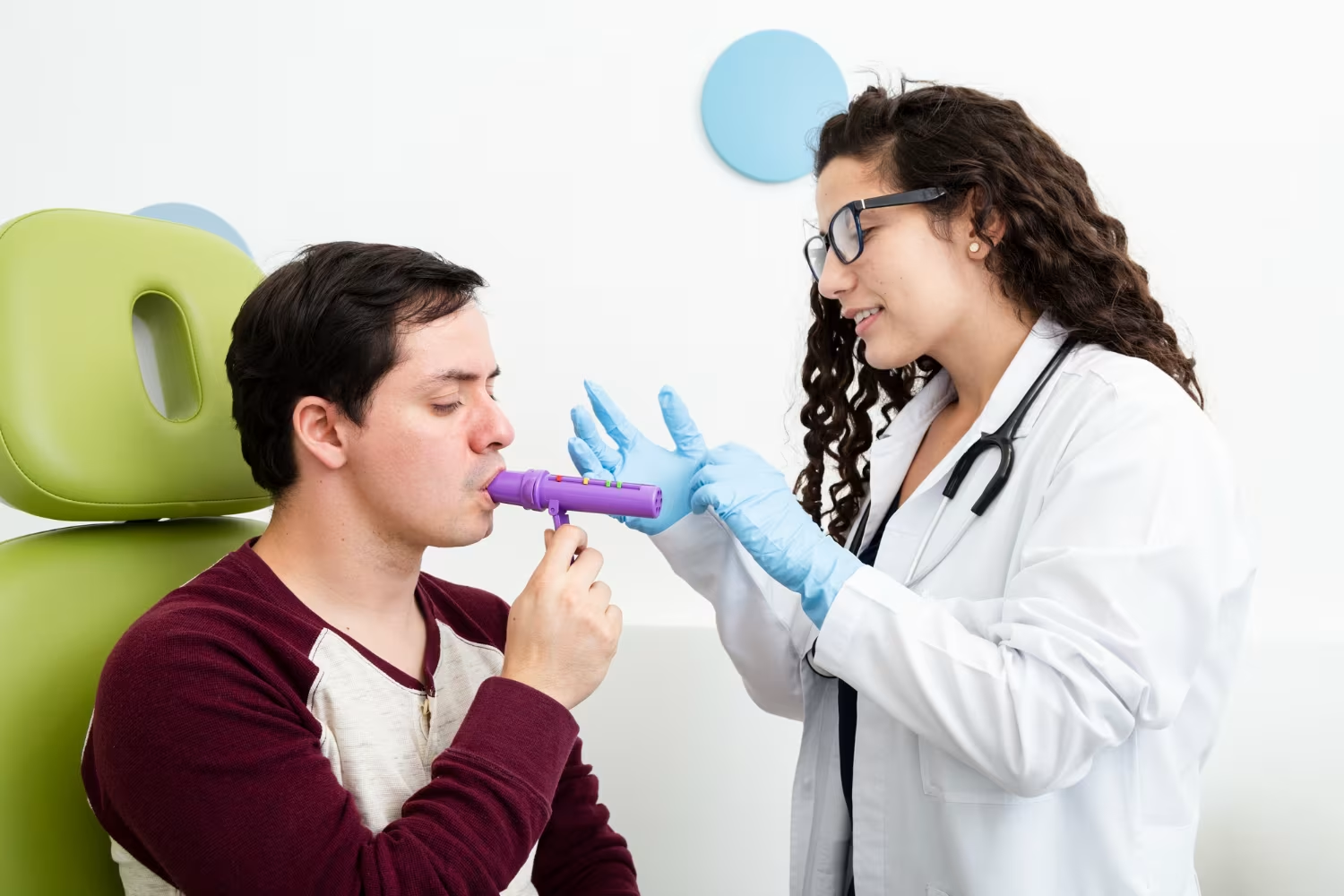
A spirometry test is a common lung function test that measures how much air you can breathe in and out, and how quickly you can do it.
It’s often used to:
At the Private Medical Clinic, we regularly use spirometry as part of our respiratory and health screening services to give patients a clear picture of their lung health.
The test is straightforward, safe, and completely non-invasive. Here’s what typically happens during the appointment:
It only takes a few minutes, and you can get your spirometry test results on the same day.
Your spirometry test results will show two key numbers:
The ratio of FEV1 to FVC helps doctors identify whether your lung function is normal or if there are signs of narrowing or obstruction in the airways.
Your doctor will explain the results in plain English and, if needed, recommend further tests or treatment.
Many patients also wonder about the spirometry test price.
At Private Medical Clinic, spirometry can be booked as:
Prices vary depending on the service combination, but typically start from around £50–£100.
You can explore our Health Check-Ups and Private GP Services for more details.
A spirometry test is a quick, affordable, and reliable way to understand how well your lungs are working. Whether you’ve been experiencing breathing difficulties or want peace of mind, it can provide vital insights and guide your next steps.
At Private Medical Clinic, our team is here to help you take control of your lung health with expert advice and same-day results.
No, it’s completely painless. You might feel a bit breathless afterwards, but this passes quickly.
Yes, children as young as 5–6 can usually perform the test with guidance. It’s often used in diagnosing asthma in children.
Avoid smoking, heavy meals, or using inhalers a few hours before the test unless your doctor advises otherwise.
Yes, it’s one of the main tests for asthma. However, results are usually considered alongside medical history and sometimes allergy or blood tests.
In most cases, you’ll get results the same day, explained by your doctor.
Same Day Online Booking
No Time Limits Appointments
Online Consultations Available
Latest Blog Posts

Private GP Services Explained: What Can You Expect During Your First Visit?

Is Private Healthcare Worth It? A Private GP’s Honest Take on Private vs NHS Care

Evening & Weekend Private GP Appointments in London: How to Book Same-Day Care Outside Normal Hours

ADHD Misdiagnosis: Unravelling the Confusion

How Much Does a Private GP Appointment Really Cost in the UK?

How Much Does a Private GP Cost?
Ready to take the next step?

